This post contains affiliate links. If you buy through them, Snug Order may earn a small commission at no extra cost to you.
January is when small homes feel smallest: Christmas presents with nowhere to go, decorations to pack away and a wardrobe that has quietly overflowed. A proper reset now makes the rest of the year easier. Here is a simple plan, plus the organisers that help a declutter actually stick.
Short on time? Our quick picks
- Best overall: Clear stackable boxes with lids
- Best for wardrobes: Vacuum storage bags
- Best quick win: Drawer dividers
1. Clear stackable storage boxes with lids
See-through boxes mean you can find things without opening every lid. Pick one size so they stack neatly on a shelf or in a cupboard.
2. Vacuum storage bags
Shrink bulky duvets, spare bedding and out-of-season clothes to a fraction of the space. Ideal for the top of a wardrobe.
3. Drawer divider organisers
The fastest way to stop a junk drawer refilling itself. Adjustable dividers fit kitchen, desk and bedside drawers.
4. Under-bed storage boxes with wheels
Use the space under the bed for things you only need a few times a year. Measure the gap first, as many UK beds have less clearance than you think.
5. Collapsible fabric storage boxes
Turn open shelves into tidy storage. They fold flat when you don’t need them, which suits renters and small flats.
6. Over-door organiser with pockets
Uses the back of a bathroom, bedroom or cupboard door for toiletries, cleaning bits or accessories. No drilling needed.
7. Slim velvet hangers
Matching slim hangers can noticeably free up rail space in a small wardrobe, and clothes stop sliding off.
8. Label maker
Labels are what make a system stick. Once every box and shelf has a name, everyone in the house knows where things go back.
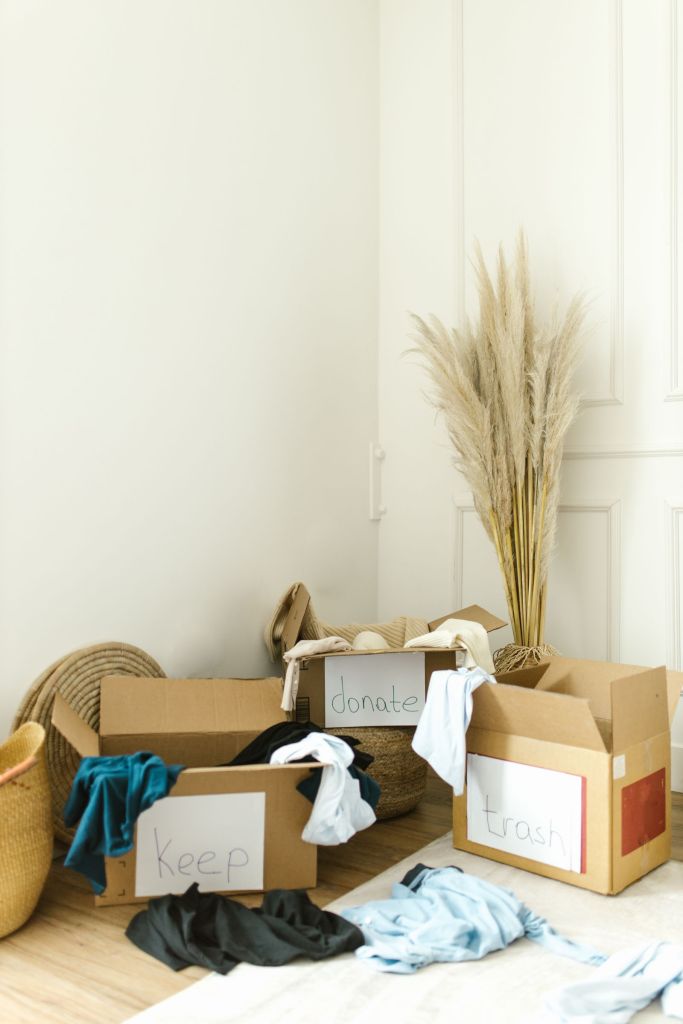
A simple January declutter plan
- One space at a time. Start with a single drawer or shelf, not a whole room. Finishing something small keeps you going.
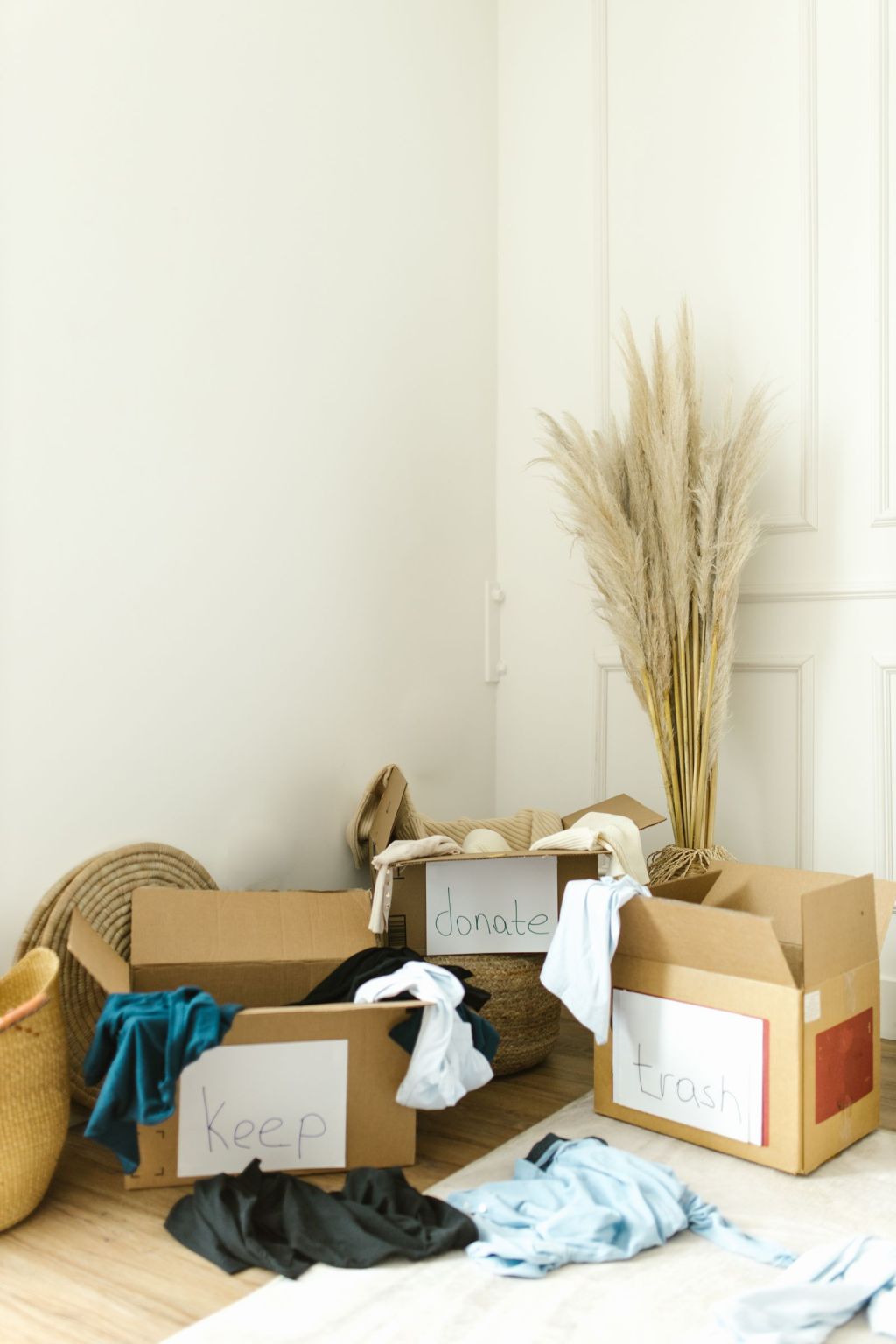
- Four piles. Keep, donate, sell, recycle. Anything you hesitate over for more than a few seconds can go in a “maybe” box with a date on it.
- Declutter before you buy. Only buy organisers once you know what you are keeping, then measure the space.
- Give everything a home. If something has no fixed spot, it will end up on a surface again.
- One in, one out. When new things arrive, something similar leaves. This is what stops the clutter creeping back.
Where to start in a small home
Start where clutter causes the most daily friction, usually the hallway, kitchen worktops or the wardrobe. Clearing a space you use every day gives you a quick win. The loft, garage and under-stairs cupboard can wait until you have built some momentum.
What to do with the things you don’t keep
Good-condition clothes, books and homeware can go to a local charity shop; check what they accept first, as many cannot take electricals or large furniture. Selling apps work well for bigger items. For broken electricals and anything else, check your local council’s recycling guidance rather than putting it in the general bin.
Common questions
How long should a January declutter take?
Spread it out. Fifteen to thirty minutes a day over a few weeks is easier to stick to than one exhausting weekend, and you make better decisions when you are not tired.
Should I buy storage boxes first?
No. Declutter first, then buy storage for what is left. Otherwise you end up organising things you did not need to keep.
What is the quickest win in a small flat?
Clear one surface completely, such as the kitchen worktop or the hallway shelf, and keep it clear for a week. It makes the whole home feel calmer and shows you what is possible.
More small-space ideas: how to store Christmas decorations in a small home, wardrobe organisers for tiny flats and under-bed storage boxes for small UK bedrooms.
Disclosure: Snug Order is a participant in the Amazon EU Associates Programme. As an Amazon Associate, this site earns from qualifying purchases.


Leave a Reply